The ROI of Premium Web Design for Startups: A Deep Dive into Revenue and Conversion
Explore how premium web design for startups can drive significant revenue and conversion improvements.
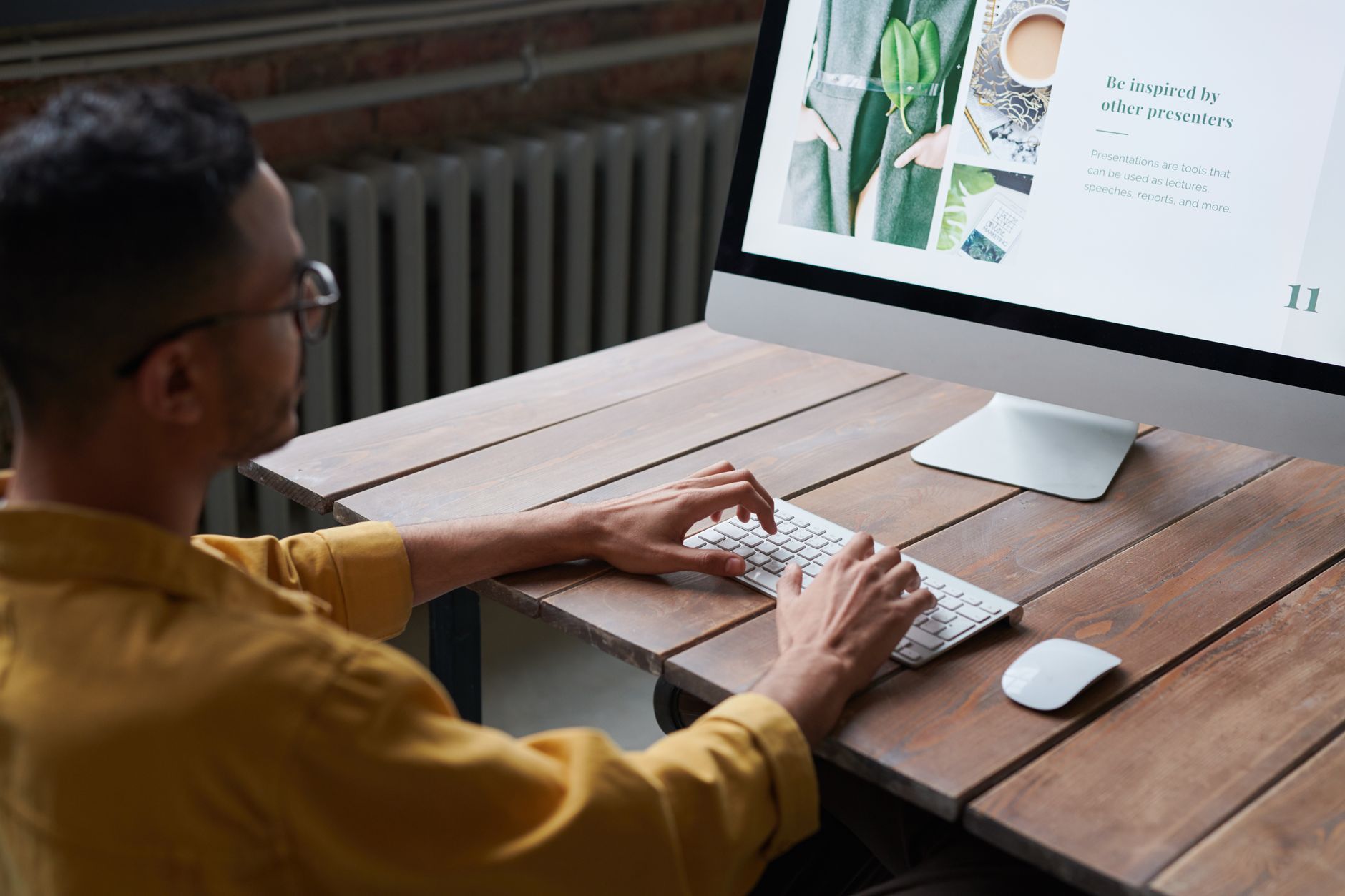
The ROI of Premium Web Design for Startups
When you're a startup, every dollar has to earn its place. So it's fair to ask whether premium web design is worth the spend, or whether a cheap template will do the same job. I've spent years building sites for founders, and my honest answer is this: good design isn't decoration. It's the first thing people judge you on, and it quietly shapes whether they trust you enough to keep reading.
Why First Impressions Carry So Much Weight
People decide fast. Before anyone reads a word of your copy, they've already formed an opinion about your company from the way your site looks and feels. That isn't just a hunch. Stanford's research into web credibility found that people form judgments about a company largely from its website design, more than from almost any other factor they could point to.
For a startup, that's the whole game. You don't have a decade of reputation to lean on. Your website is often the first and only proof a customer has that you're serious. Think about how different Stripe or Linear feel from their competitors. That difference isn't an accident. It's the result of deliberate choices about clarity, pace, and detail.
What "Premium" Actually Buys You
Premium web design isn't about spending more for the sake of it. It's about the parts of the experience that a template can't give you:
- A layout built around how your specific customers make decisions, not a generic grid.
- Copy and structure that guide someone from "what is this?" to "I want this" without friction.
- Performance and polish that signal you sweat the details, because customers assume you'll treat their money the same way.
- A look that's yours, so you're not one of a thousand sites running the same theme.
Here's a simple way to think about the trade-off between a premium build and a low-cost template:
| Aspect | Premium Design | Template Design |
|-------------------|-----------------------------------------|------------------------------------|
| First impression | Distinct, made for your brand | Familiar, often generic |
| User journey | Structured around your customer | One-size-fits-all |
| Flexibility | Grows with your product | Limited by the template |
| Ongoing value | Compounds as your brand matures | Often replaced within a year |
Where the Return Really Comes From
The return on good design shows up in ways that are easy to feel but hard to fake. A clearer site means fewer people bounce out confused. A stronger first impression means more of the right customers decide you're worth their time. And a site that reflects real care makes it easier to charge what you're actually worth.
I won't hand you a magic percentage. Any studio that promises "a 200% lift" is guessing, and you should be wary of it. What I can tell you is that the cost of a forgettable site is real: it's every visitor who lands, feels nothing, and quietly leaves for a competitor who looked more ready. You can read more about how we approach this in our web development services.
What Premium 3D Design Can Feel Like
We've built concept demos, such as Helix and Orbit, to show what premium 3D web design can feel like when it's done with restraint rather than spectacle. They're not client sites. They're our own experiments in using depth, motion, and WebGL to make a page feel alive without slowing it down or getting in the way of the message.
The point of that kind of work isn't to show off. It's to give a startup a presence that feels considered from the very first scroll, so the experience matches the ambition of the product behind it.
Is It the Right Time for You?
Premium design isn't right for every stage. If you're still testing whether anyone wants what you're building, a simple, honest page is often enough. But once you know there's real demand and you're ready to grow into it, your website becomes one of the highest-leverage investments you can make. It works for you every hour of every day, with no salary and no sick days.
If you're weighing that decision, I'm happy to talk it through honestly, including when the answer is "not yet." Take a look at our case studies to see how we think, and get in touch when you're ready.
Enjoying the read? Let's turn these ideas into your next site.
More from the journal
The Impact of Premium Web Design for Startups: A Case Study in Transformation
Discover how one startup transformed their growth trajectory with premium web design, boosting engagement and revenue.
Behavioral Science in Premium Web Design for Startups
Unpacking the psychological principles driving high-converting, premium web design for startups. Discover how subtle design choices impact user behavior.
The High Cost of Mediocre First Impressions: Why Premium Web Design for Startups is Non-Negotiable
First impressions aren't just fleeting judgments—they're monumental moments that define a brand's credibility. Discover how premium web design for startups is the strategic investment you can't afford to overlook.